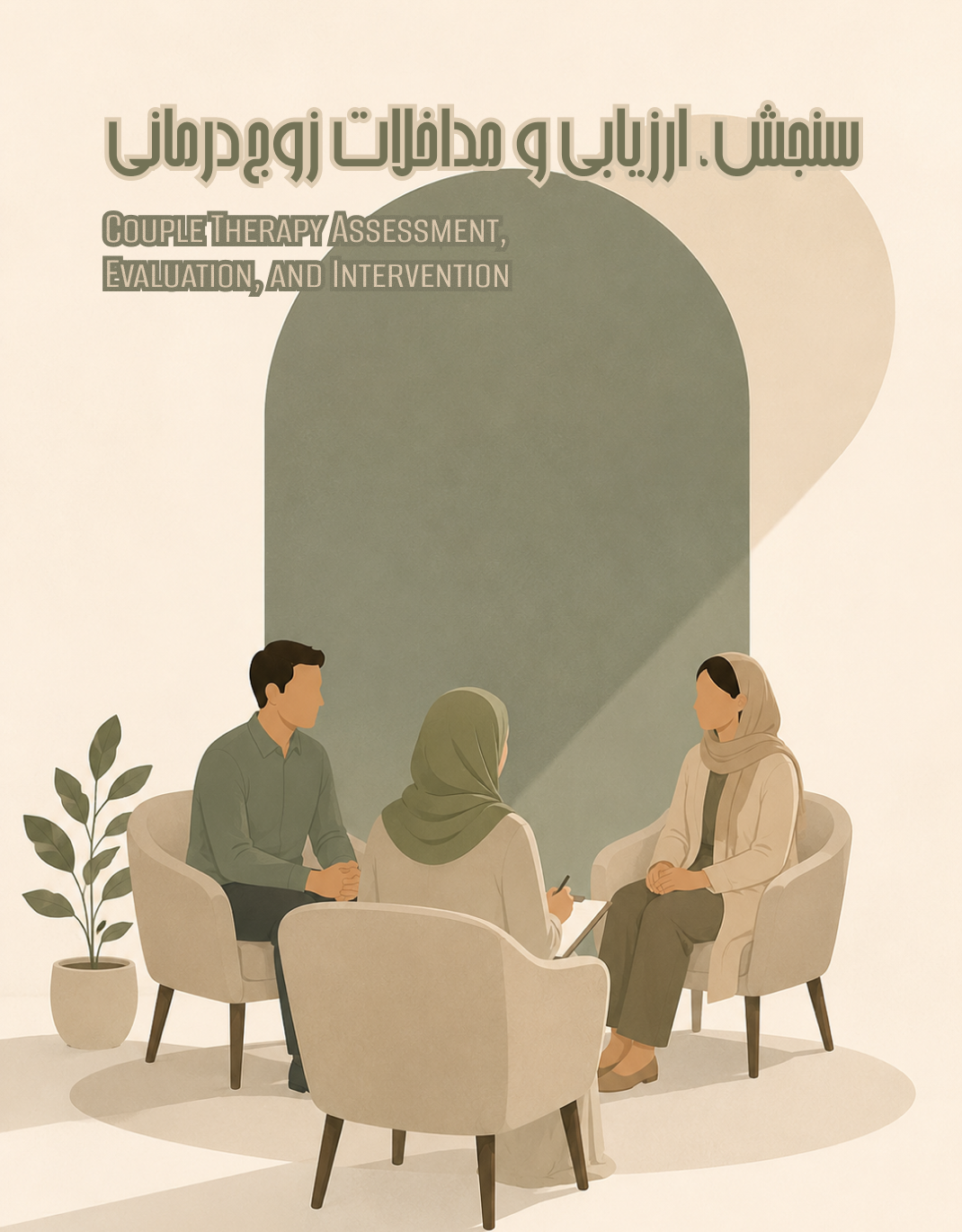
واکاوی پویاییهای هیجانی زوجهای درگیر با اعتیاد به پورنوگرافی
کلمات کلیدی:
مصرف مسئلهمند پورنوگرافی, پویایی هیجانی, زوجها, صمیمیت زناشویی, اعتماد, پژوهش کیفیچکیده
هدف پژوهش حاضر واکاوی پویاییهای هیجانی زوجهای درگیر با مصرف مسئلهمند پورنوگرافی و تبیین تجربه زیسته آنان از تغییرات اعتماد، صمیمیت، تنظیم هیجان و تعامل زناشویی بود. این پژوهش با رویکرد کیفی و روش پدیدارشناسی توصیفی انجام شد. مشارکتکنندگان شامل ۲۴ نفر، یعنی ۱۲ زوج ساکن شهر تهران، بودند که دستکم یکی از زوجین تجربه مصرف مسئلهمند پورنوگرافی و پیامدهای هیجانی ـ رابطهای مرتبط با آن را گزارش کرده بود. نمونهگیری بهصورت هدفمند از میان مراجعهکنندگان به مراکز مشاوره خانواده و زوجدرمانی تهران انجام شد و تا دستیابی به اشباع نظری ادامه یافت. دادهها از طریق مصاحبههای نیمهساختاریافته عمیق گردآوری شد. هر مصاحبه بین ۵۰ تا ۸۰ دقیقه به طول انجامید. تحلیل دادهها با استفاده از تحلیل مضمون و با کمک نرمافزار NVivo انجام شد. برای افزایش اعتبار یافتهها از بازبینی مشارکتکنندگان، کدگذاری همتا، درگیری طولانیمدت با دادهها و ثبت مسیر تحلیل استفاده گردید. تحلیل مصاحبهها به استخراج چهار مقوله اصلی منجر شد: چرخه شرم، پنهانکاری و افشای تدریجی؛ آسیب به اعتماد و تجربه خیانت هیجانی ـ جنسی؛ فرسایش صمیمیت جنسی و خودارزشمندی بدنی؛ و تلاشهای ناکارآمد و ترمیمی برای تنظیم هیجان در رابطه. مشارکتکنندگان مصرف پورنوگرافی را صرفاً یک رفتار فردی نمیدانستند، بلکه آن را پدیدهای رابطهای تجربه میکردند که با سکوت، خشم، احساس طردشدگی، مقایسه بدنی، کنترلگری، اجتناب و گاه گفتوگوی ترمیمی همراه میشد. نتایج نشان داد مصرف مسئلهمند پورنوگرافی در روابط زناشویی میتواند به شکل یک چرخه هیجانی ـ تعاملی عمل کند که در آن شرم فرد مصرفکننده، ناایمنی همسر، کاهش اعتماد و افت صمیمیت متقابلاً یکدیگر را تقویت میکنند. مداخلههای زوجدرمانی باید علاوه بر مدیریت رفتار مصرف، بر بازسازی اعتماد، تنظیم هیجان، گفتوگوی جنسی ایمن و کاهش شرم رابطهای تمرکز کنند.
دانلودها
مراجع
Bőthe, B., Tóth-Király, I., Zsila, Á., Griffiths, M. D., Demetrovics, Z., & Orosz, G. (2018). The development of the Problematic Pornography Consumption Scale. The Journal of Sex Research, 55(3), 395–406. https://doi.org/10.1080/00224499.2017.1291798
Braun, V., & Clarke, V. (2006). Using thematic analysis in psychology. Qualitative Research in Psychology, 3(2), 77–101. https://doi.org/10.1191/1478088706qp063oa
Creswell, J. W., & Poth, C. N. (2018). Qualitative inquiry and research design: Choosing among five approaches (4th ed.). Sage.
Daspé, M.-È., Vaillancourt-Morel, M.-P., Lussier, Y., Sabourin, S., & Ferron, A. (2018). When pornography use feels out of control: The moderation effect of relationship and sexual satisfaction. Journal of Sex & Marital Therapy, 44(4), 343–353. https://doi.org/10.1080/0092623X.2017.1405301
Grubbs, J. B., Perry, S. L., Wilt, J. A., & Reid, R. C. (2019). Pornography problems due to moral incongruence: An integrative model with a systematic review and meta-analysis. Archives of Sexual Behavior, 48(2), 397–415. https://doi.org/10.1007/s10508-018-1248-x
Kohut, T., Balzarini, R. N., Fisher, W. A., & Campbell, L. (2021). But what’s your partner up to? Associations between relationship quality and pornography use depend on contextual patterns of use within the couple. Frontiers in Psychology, 12, 661347. https://doi.org/10.3389/fpsyg.2021.661347
Kohut, T., Fisher, W. A., & Campbell, L. (2017). Perceived effects of pornography on the couple relationship: Initial findings of open-ended, participant-informed, bottom-up research. Archives of Sexual Behavior, 46(2), 585–602. https://doi.org/10.1007/s10508-016-0783-6
Kohut, T., Fisher, W. A., & Campbell, L. (2018). Pornography’s associations with open sexual communication and relationship closeness vary as a function of dyadic patterns of pornography use within heterosexual relationships. Journal of Social and Personal Relationships, 35(4), 655–676. https://doi.org/10.1177/0265407517743096
Kraus, S. W., Krueger, R. B., Briken, P., First, M. B., Stein, D. J., Kaplan, M. S., Voon, V., Abdo, C. H. N., Grant, J. E., Atalla, E., & Reed, G. M. (2018). Compulsive sexual behaviour disorder in the ICD-11. World Psychiatry, 17(1), 109–110. https://doi.org/10.1002/wps.20499
Lincoln, Y. S., & Guba, E. G. (1985). Naturalistic inquiry. Sage.
Maddox, A. M., Rhoades, G. K., & Markman, H. J. (2011). Viewing sexually explicit materials alone or together: Associations with relationship quality. Archives of Sexual Behavior, 40(2), 441–448. https://doi.org/10.1007/s10508-009-9585-4
Mestre-Bach, G., & Potenza, M. N. (2023). Pornography use, problematic pornography use, and potential impacts on partners and relationships. Current Addiction Reports, 10(2), 219–229. https://doi.org/10.1007/s40429-023-00468-5
Resch, M. N., & Alderson, K. G. (2014). Female partners of men who use pornography: Are honesty and mutual use associated with relationship satisfaction? Journal of Sex & Marital Therapy, 40(5), 410–424. https://doi.org/10.1080/0092623X.2012.751077
Tong, A., Sainsbury, P., & Craig, J. (2007). Consolidated criteria for reporting qualitative research: A 32-item checklist for interviews and focus groups. International Journal for Quality in Health Care, 19(6), 349–357. https://doi.org/10.1093/intqhc/mzm042
Vaillancourt-Morel, M.-P., Rosen, N. O., Štulhofer, A., Bosisio, M., & Bergeron, S. (2020). Pornography use and romantic relationships: A dyadic daily diary study. Journal of Social and Personal Relationships, 37(10–11), 2802–2821. https://doi.org/10.1177/0265407520940048
Willoughby, B. J., Leonhardt, N. D., & Augustus, R. A. (2021). Curvilinear associations between pornography use and relationship satisfaction, sexual satisfaction, and relationship stability in the United States. Computers in Human Behavior, 125, 106966. https://doi.org/10.1016/j.chb.2021.106966
World Health Organization. (2022). ICD-11: International classification of diseases 11th revision. World Health Organization. https://icd.who.int/
Wright, P. J., Tokunaga, R. S., Kraus, A., & Klann, E. (2017). Pornography consumption and satisfaction: A meta-analysis. Human Communication Research, 43(3), 315–343. https://doi.org/10.1111/hcre.12108
دانلود
گاهشمار انتشار
- ارسال
- بازنگری
- پذیرش