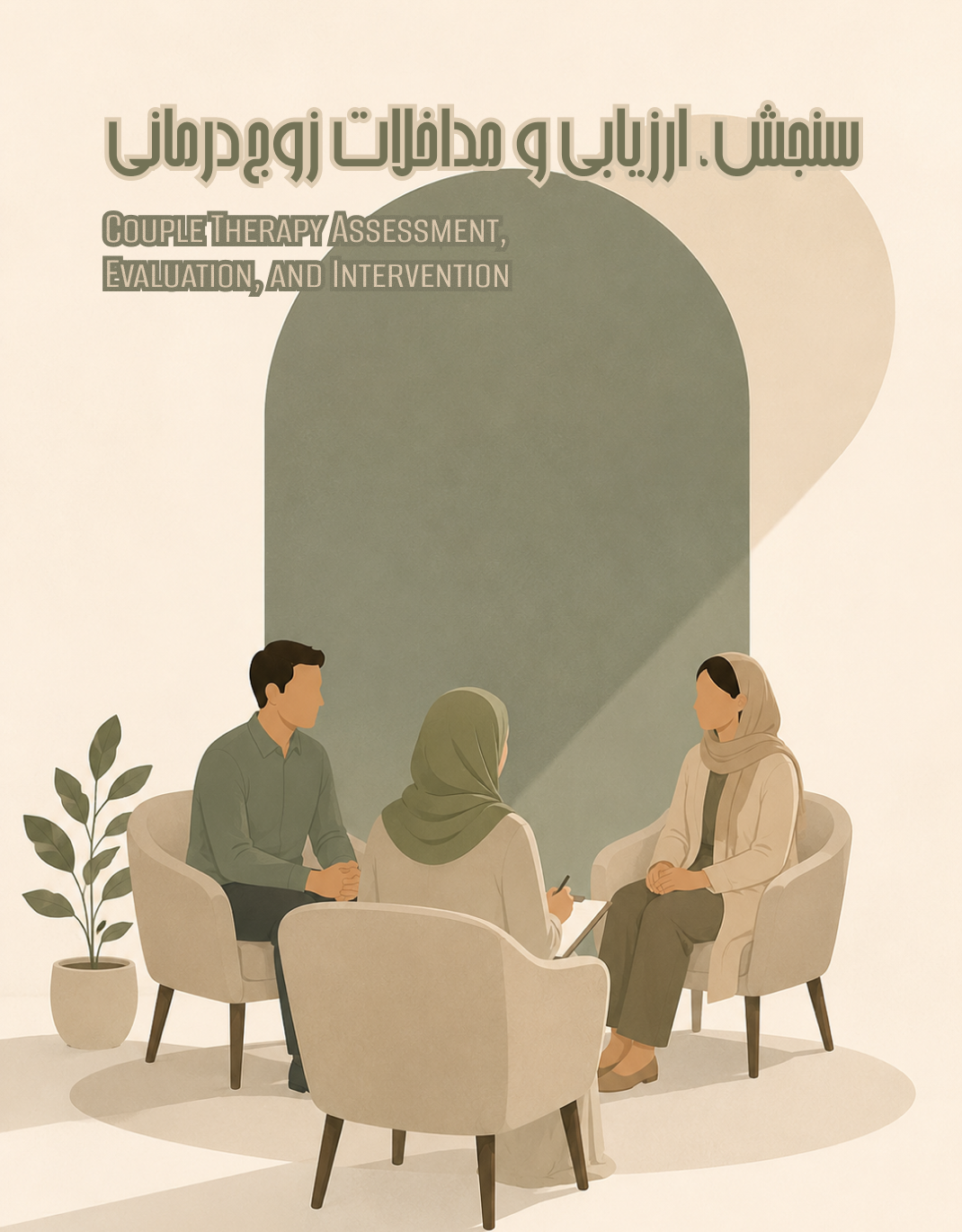
واکاوی تجربه زیسته زنان از نادیدهانگاری هیجانی در روابط زناشویی مدرن
کلمات کلیدی:
نادیدهانگاری هیجانی, روابط زناشویی, زنان, تجربه زیسته, صمیمیت زناشویی, پژوهش کیفی, تهرانچکیده
پژوهش حاضر با هدف واکاوی تجربه زیسته زنان از نادیدهانگاری هیجانی در روابط زناشویی مدرن و تبیین پیامدهای روانی، ارتباطی و هویتی آن انجام شد. این پژوهش با رویکرد کیفی و طرح پدیدارشناختی انجام شد. مشارکتکنندگان شامل 18 زن متأهل ساکن شهر تهران بودند که تجربه مکرر نادیدهانگاری هیجانی در رابطه زناشویی خود را گزارش کرده بودند. نمونهگیری بهصورت هدفمند و با رعایت اصل تنوع حداکثری از نظر سن، مدت ازدواج، وضعیت اشتغال و سطح تحصیلات انجام شد و فرایند گردآوری دادهها تا رسیدن به اشباع نظری ادامه یافت. دادهها از طریق مصاحبههای نیمهساختاریافته عمیق جمعآوری شدند. هر مصاحبه بین 45 تا 75 دقیقه به طول انجامید و پس از کسب رضایت آگاهانه، ضبط و سپس بهصورت کلمهبهکلمه پیادهسازی شد. تحلیل دادهها با روش تحلیل مضمون ششمرحلهای براون و کلارک و با کمک نرمافزار NVivo انجام شد. برای افزایش قابلیت اعتماد دادهها از بازبینی مشارکتکنندگان، بازبینی همتایان، یادداشتبرداری تحلیلی، کدگذاری مجدد بخشی از دادهها و ثبت مسیر تصمیمگیری پژوهش استفاده شد. تحلیل دادهها به استخراج پنج مقوله اصلی منجر شد: خاموشی پاسخگویی عاطفی در زندگی روزمره، تنهایی در حضور همسر، بیاعتبارسازی نیازهای هیجانی، فرسایش تدریجی صمیمیت و بازتعریف خود زنانه در رابطه. یافتهها نشان داد که نادیدهانگاری هیجانی بیشتر بهصورت رفتارهای آشکاراً خشونتآمیز تجربه نمیشود، بلکه در قالب سکوت، بیتفاوتی، کمتوجهی به حالات درونی، نبود حمایت هنگام بحران، پاسخهای کوتاه و مکانیکی، و تقلیل گفتوگوی عاطفی به وظایف روزمره ظاهر میشود. زنان مشارکتکننده این تجربه را نوعی «غیبت عاطفی در حضور فیزیکی» توصیف کردند که به احساس بیارزشی، شرم از نیازمندی عاطفی، خودسانسوری، کاهش میل به گفتوگو و فاصلهگیری هیجانی از همسر منجر شده بود. نتایج نشان میدهد نادیدهانگاری هیجانی در ازدواجهای مدرن میتواند بهمثابه فرایندی خاموش اما فرساینده عمل کند که کیفیت صمیمیت، احساس امنیت عاطفی و هویت رابطهای زنان را تضعیف میکند. مداخلات زوجدرمانی باید فراتر از تعارضهای آشکار، الگوهای پنهان بیپاسخماندن نیازهای هیجانی، فقدان همدلی و کاهش دسترسپذیری عاطفی را هدف قرار دهند.
دانلودها
مراجع
Bloch, L., Haase, C. M., & Levenson, R. W. (2014). Emotion regulation predicts marital satisfaction: More than a wives’ tale. Emotion, 14(1), 130–144. https://doi.org/10.1037/a0034272
Braun, V., & Clarke, V. (2006). Using thematic analysis in psychology. Qualitative Research in Psychology, 3(2), 77–101. https://doi.org/10.1191/1478088706qp063oa
Creswell, J. W., & Poth, C. N. (2018). Qualitative inquiry and research design: Choosing among five approaches (4th ed.). SAGE.
Driver, J. L., & Gottman, J. M. (2004). Daily marital interactions and positive affect during marital conflict among newlywed couples. Family Process, 43(3), 301–314. https://doi.org/10.1111/j.1545-5300.2004.00024.x
Gottman, J. M., & Levenson, R. W. (2000). The timing of divorce: Predicting when a couple will divorce over a 14-year period. Journal of Marriage and the Family, 62(3), 737–745. https://doi.org/10.1111/j.1741-3737.2000.00737.x
Johnson, S. M. (2004). The practice of emotionally focused couple therapy: Creating connection (2nd ed.). Brunner-Routledge.
Johnson, S. M. (2008). Hold me tight: Seven conversations for a lifetime of love. Little, Brown.
Johnson, S. M., & Greenman, P. S. (2006). The path to a secure bond: Emotionally focused couple therapy. Journal of Clinical Psychology, 62(5), 597–609. https://doi.org/10.1002/jclp.20251
Lincoln, Y. S., & Guba, E. G. (1985). Naturalistic inquiry. SAGE.
Mikulincer, M., & Shaver, P. R. (2016). Attachment in adulthood: Structure, dynamics, and change (2nd ed.). Guilford Press.
Nowell, L. S., Norris, J. M., White, D. E., & Moules, N. J. (2017). Thematic analysis: Striving to meet the trustworthiness criteria. International Journal of Qualitative Methods, 16(1), 1–13. https://doi.org/10.1177/1609406917733847
Reis, H. T., Clark, M. S., & Holmes, J. G. (2004). Perceived partner responsiveness as an organizing construct in the study of intimacy and closeness. In D. J. Mashek & A. P. Aron (Eds.), Handbook of closeness and intimacy (pp. 201–225). Lawrence Erlbaum Associates.
Reis, H. T., & Gable, S. L. (2015). Responsiveness. Current Opinion in Psychology, 1, 67–71. https://doi.org/10.1016/j.copsyc.2015.01.001
Saunders, B., Sim, J., Kingstone, T., Baker, S., Waterfield, J., Bartlam, B., Burroughs, H., & Jinks, C. (2018). Saturation in qualitative research: Exploring its conceptualization and operationalization. Quality & Quantity, 52, 1893–1907. https://doi.org/10.1007/s11135-017-0574-8
Shaver, P. R., & Mikulincer, M. (2009). An overview of adult attachment theory. In J. H. Obegi & E. Berant (Eds.), Attachment theory and research in clinical work with adults (pp. 17–45). Guilford Press.
دانلود
گاهشمار انتشار
- ارسال
- بازنگری
- پذیرش