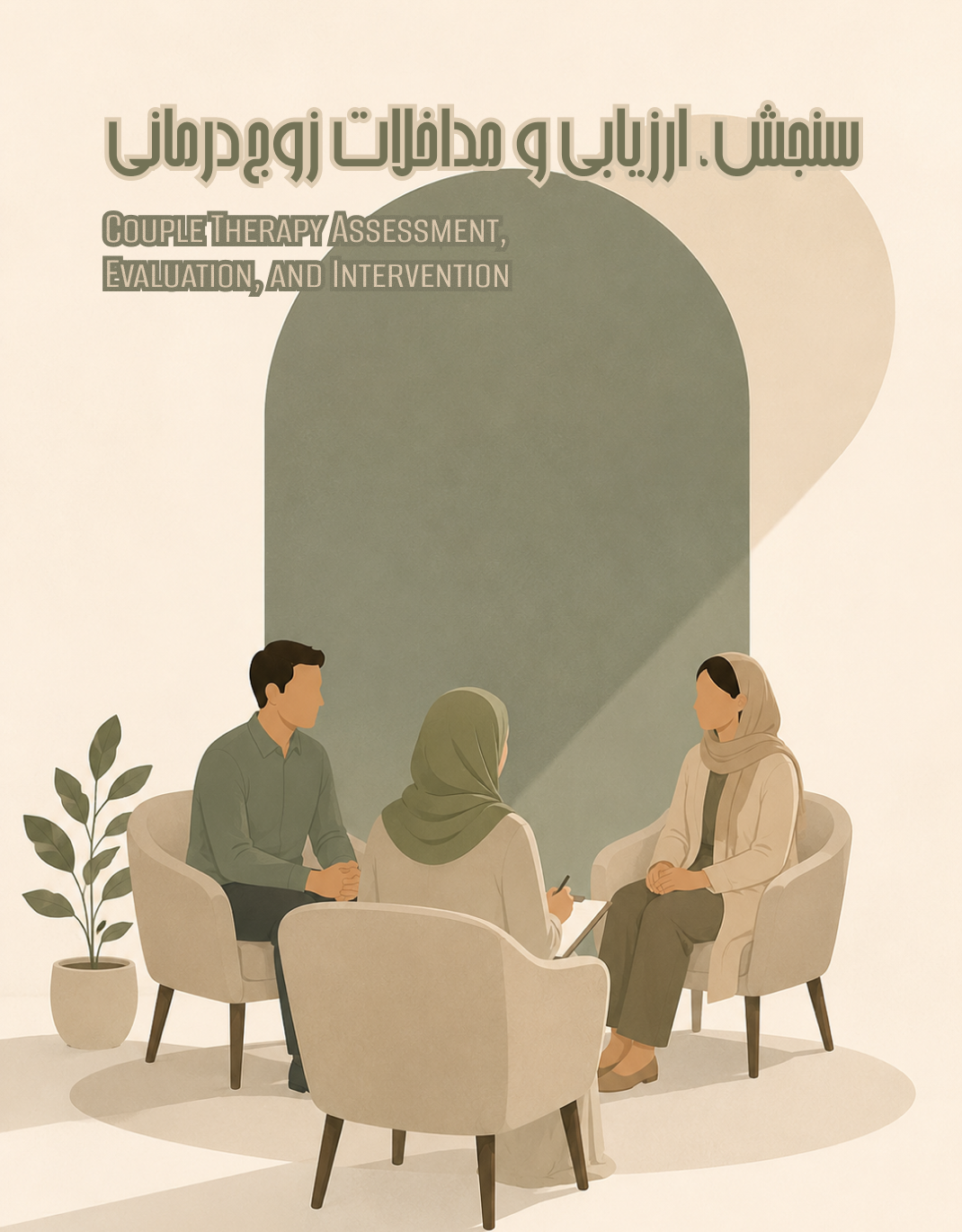
تحلیل فرآیندهای شناختی مؤثر بر سوءبرداشتهای زوجی
کلمات کلیدی:
سوءبرداشت زوجی, فرآیندهای شناختی, تنظیم هیجان, اسناد بینفردی, رضایت زناشوییچکیده
هدف این پژوهش، تبیین کیفی سازوکارهای شناختی زیربنایی سوءبرداشتهای زوجی و ارائه چارچوبی مفهومی برای فهم پویاییهای تعارض در روابط زناشویی است. این مطالعه یک پژوهش مروری کیفی با رویکرد تفسیری است که از تحلیل مضمون نظاممند برای یکپارچهسازی یافتههای پیشین استفاده کرده است. گردآوری دادهها صرفاً از طریق مرور ادبیات پژوهش انجام شد و پس از جستجوی هدفمند در پایگاههای معتبر علمی، ۱۳ مقاله واجد شرایط انتخاب گردید. تحلیل دادهها با بهرهگیری از نرمافزار NVivo 14 انجام شد و فرآیند کدگذاری در سه مرحله کدگذاری باز، محوری و انتخابی ادامه یافت تا اشباع نظری حاصل شود. اعتبار تحلیل از طریق بازخوانی مداوم دادهها، مقایسه مستمر مفاهیم و تثبیت مقولهها تضمین گردید. یافتهها نشان داد که سوءبرداشتهای زوجی حاصل برهمکنش سه فرآیند اصلی شامل تحریفهای شناختی در پردازش تعامل زوجی، الگوهای ناکارآمد تنظیم شناختی هیجان و اختلال در اسنادهای بینفردی و معنادهی رابطه است. این فرآیندها در یک چرخه بازخوردی منفی عمل کرده و موجب تثبیت تعارضهای مزمن، کاهش اعتماد شناختی و فرسایش تدریجی صمیمیت زناشویی میشوند. نتایج نشان میدهد که مداخلات زوجدرمانی برای دستیابی به تغییر پایدار باید بر بازسازی شناختی، اصلاح الگوهای اسنادی و تقویت تنظیم هیجان تمرکز نمایند و صرفاً به اصلاح رفتارهای ارتباطی سطحی اکتفا نکنند.
دانلودها
مراجع
Aldao, A., Nolen-Hoeksema, S., & Schweizer, S. (2010). Emotion-regulation strategies across psychopathology: A meta-analytic review. Clinical Psychology Review, 30(2), 217–237.
Baucom, D. H., & Epstein, N. (1990). Cognitive-behavioral marital therapy. Brunner/Mazel.
Beck, A. T. (1988). Love is never enough. Harper & Row.
Bodenmann, G. (2005). Dyadic coping and its significance for marital functioning. Couple and Family Psychology, 2, 33–50.
Bradbury, T. N., & Fincham, F. D. (1990). Attributions in marriage. Psychological Bulletin, 107(1), 3–33.
Bradbury, T. N., Fincham, F. D., & Beach, S. R. H. (2000). Research on the nature and determinants of marital satisfaction. Journal of Marriage and Family, 62, 964–980.
Epstein, N. B., Baucom, D. H., & Kirby, J. S. (2006). Cognitive-behavioral therapy for couples. APA.
Fincham, F. D. (2003). Marital conflict: Correlates, structure, and context. Current Directions in Psychological Science, 12(1), 23–27.
Fincham, F. D., & Bradbury, T. N. (1992). Assessing attributions in marriage. Journal of Personality and Social Psychology, 62, 457–468.
Gottman, J. M. (1999). The marriage clinic. Norton.
Gottman, J. M., & Notarius, C. I. (2000). Decade review: Observing marital interaction. Journal of Marriage and Family, 62, 927–947.
Gross, J. J. (1998). The emerging field of emotion regulation. Review of General Psychology, 2(3), 271–299.
Heider, F. (1958). The psychology of interpersonal relations. Wiley.
Karney, B. R., & Bradbury, T. N. (1995). The longitudinal course of marital quality. Psychological Bulletin, 118(1), 3–34.
Mikulincer, M., & Shaver, P. R. (2016). Attachment in adulthood (2nd ed.). Guilford Press.
Nolen-Hoeksema, S. (2000). The role of rumination in depressive disorders. Journal of Abnormal Psychology, 109(3), 504–511.
دانلود
گاهشمار انتشار
- ارسال
- بازنگری
- پذیرش