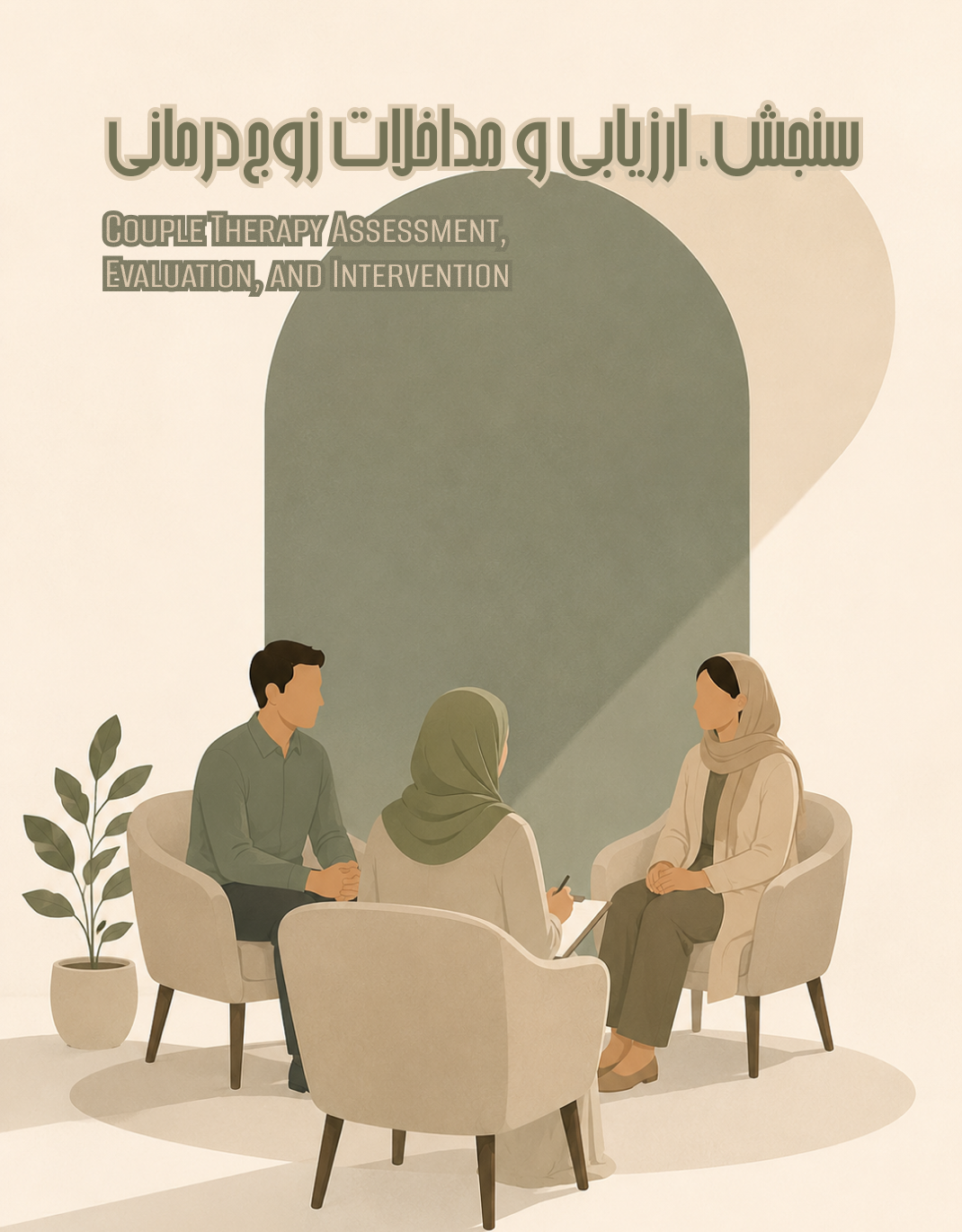
A Qualitative Study of Power Dynamics and Psychological Control in Couples with Emotional Dependence
Keywords:
Emotional dependence, psychological control, power dynamics, thematic analysis, couple therapy, TehranAbstract
This study aimed to explain the dynamics of power, psychological control, and the mechanisms through which emotional dependence is reproduced in marital relationships in Tehran. This qualitative study was conducted using thematic analysis. The participants included 20 married individuals who had experienced emotional dependence in their marital relationships and were selected through purposive sampling from family counseling and psychological centers in Tehran. Data were collected through in-depth semi-structured interviews, and sampling continued until theoretical saturation was achieved. Inclusion criteria consisted of being legally married, having at least two years of marital life, reporting clear experiences of emotional dependence, willingness to participate, and the ability to articulate lived experiences. Exclusion criteria included active severe physical violence, acute psychiatric conditions, and unwillingness to consent to audio recording. After verbatim transcription, the interviews were analyzed using NVivo software through coding, theme development, theme review, and thematic interpretation. Data analysis led to the extraction of five main categories: “emotional dependence as a context for control,” “ambiguity of personal and marital boundaries,” “psychological control through fear, guilt, and emotional threat,” “monitoring, interrogation, and relational ownership,” and “the cycle of reconciliation, submission, and reproduction of power inequality.” The findings indicated that control in emotionally dependent couples is not always experienced as explicit domination; rather, it is often reproduced through excessive care, concern, intense love, threats of abandonment, punitive silence, sensitivity toward social relationships, and control over everyday decisions. Participants reported that fear of rejection, guilt, an intense need for spousal approval, and inability to tolerate emotional distance gradually normalized the acceptance of control. The results suggest that emotional dependence in marital relationships may generate an unequal power structure in which psychological control is legitimized as care, love, concern, or protection rather than recognized as a form of relational domination. Therefore, couple therapy interventions for such relationships should move beyond conflict reduction and focus on reconstructing personal boundaries, strengthening emotional autonomy, identifying hidden patterns of control, and promoting egalitarian dialogue between partners.
Downloads
References
Arbinaga, F., Mendoza-Sierra, M. I., Caraballo, G., & Buiza-Calzadilla, I. (2021). Jealousy, violence, and sexual ambivalence in adolescent student couples according to emotional dependency. Children, 8(11), 993. https://doi.org/10.3390/children8110993
Bartholomew, K., & Horowitz, L. M. (1991). Attachment styles among young adults: A test of a four-category model. Journal of Personality and Social Psychology, 61(2), 226–244. https://doi.org/10.1037/0022-3514.61.2.226
Bowen, M. (1978). Family therapy in clinical practice. Jason Aronson.
Bowlby, J. (1982). Attachment and loss: Vol. 1. Attachment (2nd ed.). Basic Books.
Braun, V., & Clarke, V. (2006). Using thematic analysis in psychology. Qualitative Research in Psychology, 3(2), 77–101. https://doi.org/10.1191/1478088706qp063oa
Brennan, K. A., Clark, C. L., & Shaver, P. R. (1998). Self-report measurement of adult attachment: An integrative overview. In J. A. Simpson & W. S. Rholes (Eds.), Attachment theory and close relationships (pp. 46–76). Guilford Press.
Dichter, M. E., Thomas, K. A., Crits-Christoph, P., Ogden, S. N., & Rhodes, K. V. (2018). Coercive control in intimate partner violence: Relationship with women’s experience of violence, use of violence, and danger. Psychology of Violence, 8(5), 596–604. https://doi.org/10.1037/vio0000158
Dokkedahl, S. B., Kok, R. N., Murphy, S., Kristensen, T. R., Bech-Hansen, D., & Elklit, A. (2022). The psychological subtype of intimate partner violence and its effect on mental health: A systematic review with meta-analyses. Systematic Reviews, 11, 163. https://doi.org/10.1186/s13643-022-02025-z
Estévez, A., Urbiola, I., Iruarrizaga, I., Onaindia, J., & Jauregui, P. (2017). Emotional dependency in dating relationships and psychological consequences of Internet and mobile abuse. Anales de Psicología, 33(2), 260–268. https://doi.org/10.6018/analesps.33.2.255111
Gilbert, M. C., Daffern, M., Talevski, D., & Ogloff, J. R. P. (2021). Exploring how UK adults’ attachment style in romantic relationships affects their controlling behaviours. Frontiers in Psychology, 12, 649868. https://doi.org/10.3389/fpsyg.2021.649868
Johnson, M. P. (2008). A typology of domestic violence: Intimate terrorism, violent resistance, and situational couple violence. Northeastern University Press.
Johnson, S. M. (2019). Attachment theory in practice: Emotionally focused therapy with individuals, couples, and families. Guilford Press.
Lincoln, Y. S., & Guba, E. G. (1985). Naturalistic inquiry. Sage.
Moral-Jiménez, M. de la V., Sirvent, C., Ovejero, A., & Cuetos, G. (2024). Emotional dependence and narcissism in couple relationships. Behavioral Sciences, 14(12), 1177. https://doi.org/10.3390/bs14121177
Sels, L., Ceulemans, E., Bulteel, K., & Kuppens, P. (2019). The occurrence and correlates of emotional interdependence in romantic relationships. Journal of Personality and Social Psychology, 117(2), 287–305. https://doi.org/10.1037/pspi0000162
Stark, E. (2007). Coercive control: How men entrap women in personal life. Oxford University Press.
Downloads
Publication Timeline
- Submitted
- Revised
- Accepted
Issue
Section
License

This work is licensed under a Creative Commons Attribution-NonCommercial 4.0 International License.